Trending

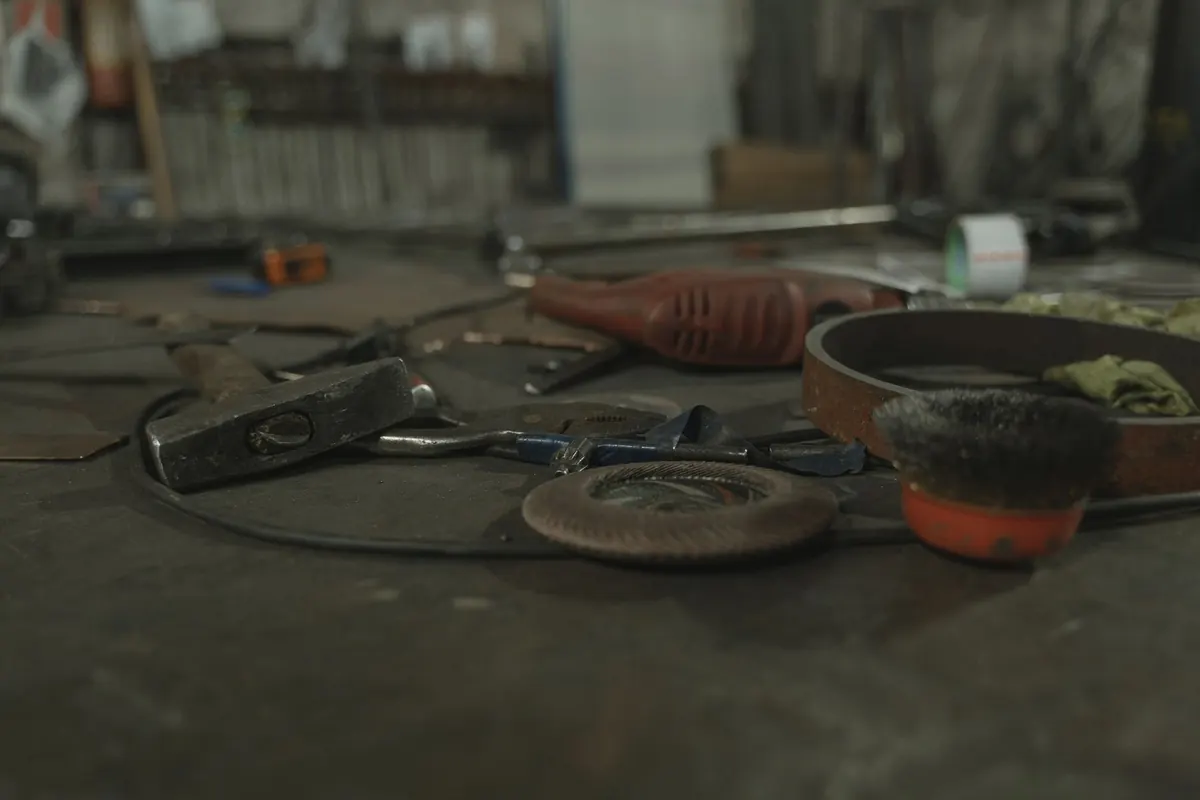
The shelf is level, the drill is charged, and you're sizing up the dripping tap with a confidence that will last roughly forty minutes. Every homeowner knows this moment. Some end with a neat repair and a cup of tea. Others end with a Sunday lost, an unexpected hole in the wall, and a phone call on Monday morning.
The difference isn't courage or experience. It's asking the right questions before you open the toolbox. Four of them do most of the work: is it safe, how long will it really take, do I have the tools and materials, and will doing it myself actually save anything? Answer those honestly and most jobs sort themselves into either "crack on" or "get someone in".
Work through them in this sequence, because safety overrides everything else.
Some jobs aren't really about skill. They're about regulation and risk. Gas work on boilers, hobs and fires must be carried out by a Gas Safe registered engineer. That's a legal requirement, not a suggestion.
Electrical work is more of a grey area. Swapping a light fitting or a socket faceplate is within reach for a careful DIYer once the circuit is isolated at the consumer unit. New circuits, consumer unit changes and anything you're unsure about belong with a qualified electrician, and some work needs notifying to your local authority's building control team. If you're not sure which category your job falls into, ask before you start rather than after.
Then there's asbestos. In homes built or refurbished before 2000, textured ceilings, old floor tiles, pipe lagging and garage roof sheets can contain it. Don't sand, drill or break them up. Get advice instead.
Heights matter too. Gutters, roof repairs and chimney work combine ladders with wet Suffolk weather and an easterly wind off the coast. Scaffolding or a proper tower isn't a luxury there. And anything structural — walls, chimney breasts, lintels — needs a structural engineer, and often building control approval as well. That's the one where a quick knock-through turns expensive.
Finally, learn where your stopcock is and how to isolate circuits at the consumer unit. If you can't turn the water off, stop the job and sort that first.
Double your estimate, then add a trip to the merchant. Not because you're slow, but because jobs in real houses rarely line up. Replacing a toilet is an hour of work if the waste pipe height matches and a full day if it doesn't. Resealing a bath takes twenty minutes, then twenty-four hours of not using the shower.
That second part matters. A lot of DIY isn't difficult, it's disruptive. So ask what the job costs in other terms: a Saturday, a dry bathroom, the use of the kitchen, the goodwill of whoever shares the house with you. If you'd happily pay a sensible amount to get your weekend back, that's a legitimate reason to call someone. It isn't laziness. It's arithmetic.
Buying a tile cutter or floor sander for one job rarely makes sense; hiring one for a day usually does. Staff at a hire shop will also tell you which blade or disc you need, which saves a return trip.
What is worth owning is decent hand tools and one reliable cordless drill. Cheap screwdrivers round off screw heads, blunt bits wander, and a worn spanner on a tight nut turns a small job into a large one. A stud finder, a set of proper plasterboard fixings and a small spirit level cost very little and prevent most domestic disasters.
One local note: older Suffolk houses don't play by modern rules. Lath and plaster doesn't take a plug like plasterboard, flint and rubble walls are unforgiving, and almost nothing is square. Plan for that and you'll make fewer holes.
These are the ones where the risk is low, the tools are basic, and a good-enough result is genuinely good enough:
None of these need a certificate or a head for heights. Take them slowly, watch a couple of tutorials, and you'll save money while learning how your house actually works.
There's a middle ground between "I'll do it" and "I need a roofer". A handyman suits the long list of small things: a dripping tap, a sticking door, a wobbly fence post, a shelf that has to go into a wall that doesn't want it. One visit for eight small jobs is usually better value and far less hassle than eight separate appointments.
It's also the right call when access or confidence is the problem — a loft hatch you can't reach, a job that needs two people, or a repair you've already had a go at once.
Specialists, though, are non-negotiable for gas, most electrical installation and testing, structural work, roofing at height, asbestos, and anything that needs a certificate you'll want when you come to sell.
A few practical tips: describe the problem rather than your theory about the fix, send photos, and mention parking and access. A narrow street in a Suffolk market town changes how a job runs. And if a repair might turn into an insurance claim, speak to your insurer before you touch anything.
If the job involves gas, mains electrics beyond a faceplate, water you can't isolate, a load-bearing wall, working more than two metres up, or anything that needs signing off, stop reading and get someone qualified.
Otherwise, give it one honest attempt with a fixed time limit — say, three hours. If you're not finished, or you've hit something you didn't expect, stop and call for help. Half a finished job is much easier to hand over than a hole in the wall and a story.
Keep a running list, too: jobs as they come up, on your phone. When you do ring someone, you'll be able to explain what needs doing and get a clearer idea of how long it should take — whether you're in Ipswich, Bury St Edmunds, Lowestoft or a village in between.
Photo: Tima Miroshnichenko / Pexels