Trending

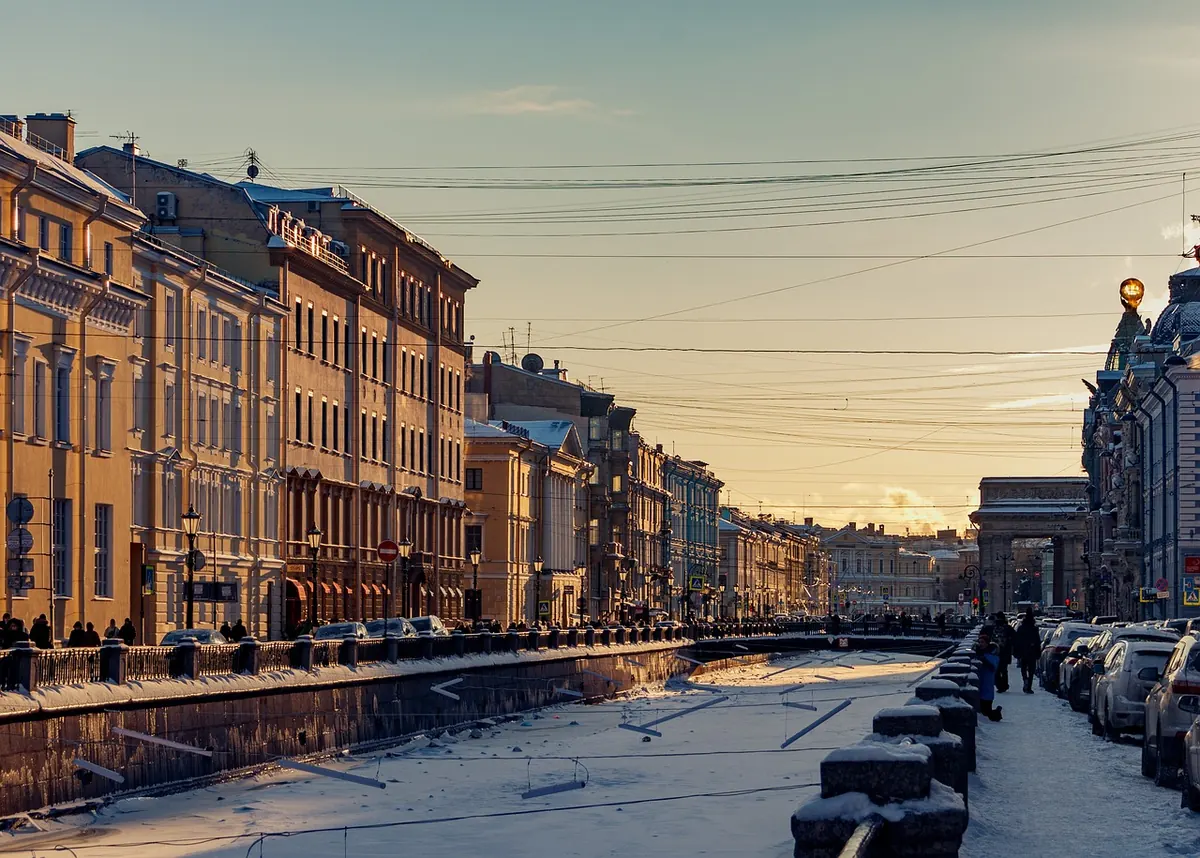
By the time the first hard frost settles on a Suffolk garden, most of the jobs that matter are already too late to do comfortably. Water is sitting in pipes that run along a cold north wall, gutters are packed with leaves from the last of the oaks, and the boiler is being asked to do more than it has since March. None of it is complicated work. It is mostly a case of walking round the house with a torch and a notebook, and dealing with what you find.
A few hours now will save you a much worse weekend in January.
Start with water. A split pipe behind a kitchen unit or above a ceiling will cause far more damage than the leak itself suggests, and the repair bill rarely stops at the pipe. The aim is simple: keep cold water moving, keep it warm, and know how to shut it off.
Fix dripping taps too. During a hard freeze some people let a tap run at a trickle overnight to keep water moving through a vulnerable run, and it can help — but it will not rescue a pipe that has no lagging at all. If you are leaving the house empty for more than a few days in winter, either keep the heating on a low frost setting or have the system drained properly. Draining a heating system is a job for a plumber, not a guess.
On a windy day, hold the back of your hand near window frames, door edges and skirting boards. You will feel the cold before you see the gap. Old timber sash windows, suspended floors and open chimneys are the usual offenders in Suffolk's older housing stock.
Work from the biggest gap downwards. A brush strip on a front door and a foam seal around a loft hatch often make more difference than sealing ten small cracks. For sash windows, draught strips and a well-fitted staff bead do a lot without stopping the window opening.
One caution: do not block air bricks, trickle vents or ventilation grilles. Gas appliances and open fires need a supply of air, and sealing a room up tightly can create a genuine safety problem. If you have a gas appliance and are unsure what can safely be closed off, ask a Gas Safe registered engineer before you start.
Run the heating for an hour or two on a mild day in autumn. Problems are far easier to sort out then than on the evening the temperature drops below freezing.
Book a boiler service early. Engineers fill up quickly once the cold arrives, and an annual service keeps the warranty valid on most installations.
If your boiler has a condensate pipe that runs outside, lag it. When that pipe freezes, the boiler shuts itself down — often on the coldest night of the year, and usually with a fault code that looks far more alarming than it is.
Clear gutters and downpipes before the leaves turn to mush. Check that water actually leaves the building — a downpipe discharging against the wall will soak the brickwork and find its way inside. While you are up there, look for sagging runs and loose brackets.
Inspect the roof from the ground with binoculars rather than climbing onto it. Slipped tiles, cracked mortar around a chimney and damaged flashing are all worth spotting early. Look for damp patches on ceilings and around chimney breasts after heavy rain — those marks tend to grow once frost gets into a small defect.
Walk the outside of the house and deal with the small things: cracked render, crumbling pointing, split paint on sills and door bottoms, loose fence panels, gates that no longer latch. Freeze-thaw cycles widen hairline cracks, and on the coast, salt-laden wind does the same work faster. Paint and external repairs need a dry, mild day, so use the last of them.
Finally, sort out paths, steps and the drive. Repair lifted slabs and loose gravel now, and keep a bag of grit or sand by the door. A fall on an icy path is the most common winter injury there is, and it is almost always avoidable.
If you only have a weekend, work in this order:
Empty the hose reel, drain the water butt if it is not needed, store garden furniture and tools somewhere dry, and check that any outdoor lighting and sockets still work. As the nights draw in, spare bulbs and a working security light are worth more than they cost.
A good deal of this list is straightforward handyman work: lagging pipes, fitting draught strips, clearing gutters, sealing gaps, replacing a broken tile, rehanging a gate, fixing a leaking outside tap. It is fiddly, ladder-based work that benefits from the right tools and a second pair of hands.
Other jobs genuinely need a specialist. Anything involving gas must go to a Gas Safe registered engineer, and electrical work beyond swapping a light fitting belongs with a registered electrician. If you are unsure whether your boiler, ventilation or wiring is safe, get it checked rather than working around it.
Get the easy things done first. A house that is lagged, sealed, drained and serviced will ride out a Suffolk winter quietly, and you can spend the cold months doing something better than thawing out a pipe with a hairdryer.
Photo: GottaGetRaw / Pixabay